A bad nose is a sabotage device sitting on the center of your face. If your nose derails your facial harmony, this is your surgical reset.
1. WHAT MAKES A GOOD NOSE?

The ideal nose isn’t one-size-fits-all. It depends on your jaw, eyes, midface. But universal traits exist:
• Straight dorsum (no hump or concavity)• Defined, narrow, non-pinched tip• Balanced projection (no ski slope, no witch hook)• Sharp angles: – Nasofrontal: 115°–125° – Nasolabial: 95°–110° (men), 105°–115° (women)COMMON NOSE ISSUES + SURGICAL FIXES
• Dorsal hump → rasped down• Bulbous tip → cephalic trim + cartilage reshaping• Wide bridge → lateral osteotomies• Flat bridge → cartilage graft or implant• Droopy tip → tip rotation via graft/sutures• Overprojected tip → deprojection maneuvers• Crooked nose → septoplasty + osteotomies
3. OPEN VS CLOSED RHINOPLASTY
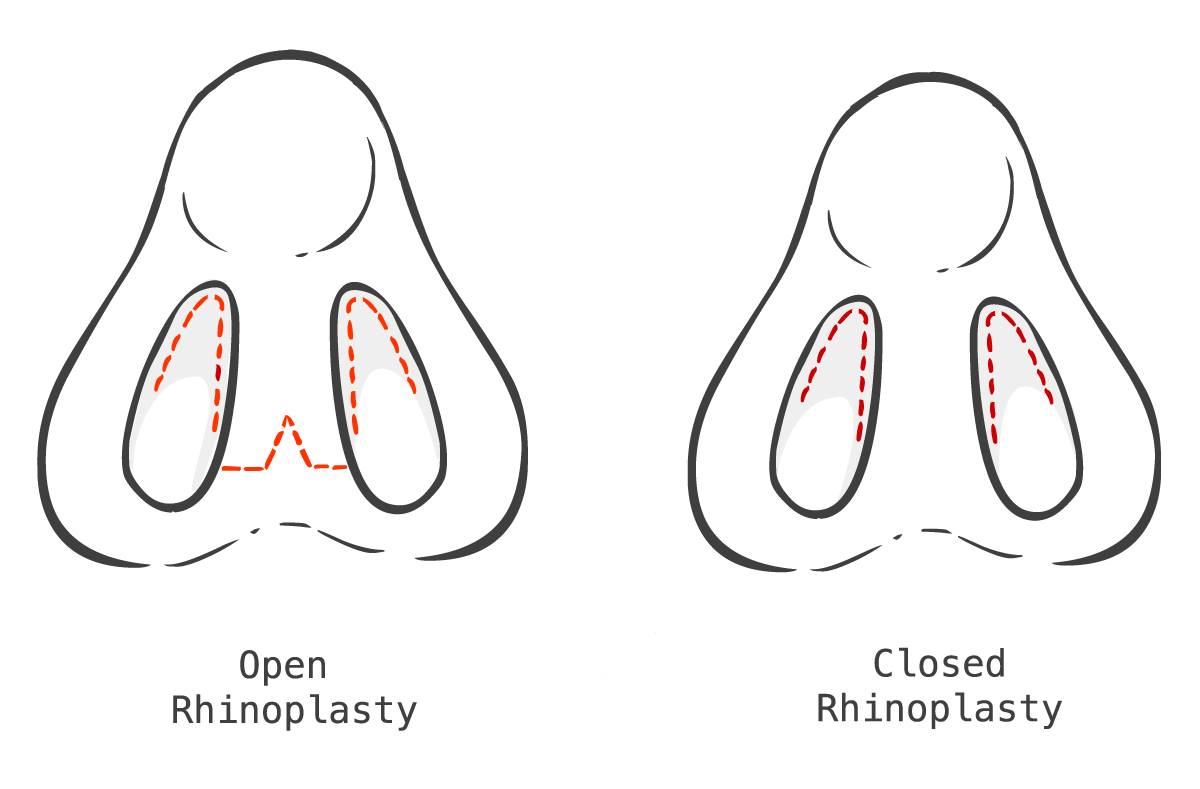
• Open: Full access, better visibility. Tiny scar at columella. Best for revisions or big reshapes• Closed: Internal only, quicker healing, less swelling. Ideal for small, first-time changes
Rule: minor = closed, complex = open.
4. ETHNIC CONSIDERATIONSEthnic rhinoplasty is a specialized form of rhinoplasty (nose reshaping surgery) that focuses on enhancing the nose while preserving an individual's unique ethnic features and cultural identity
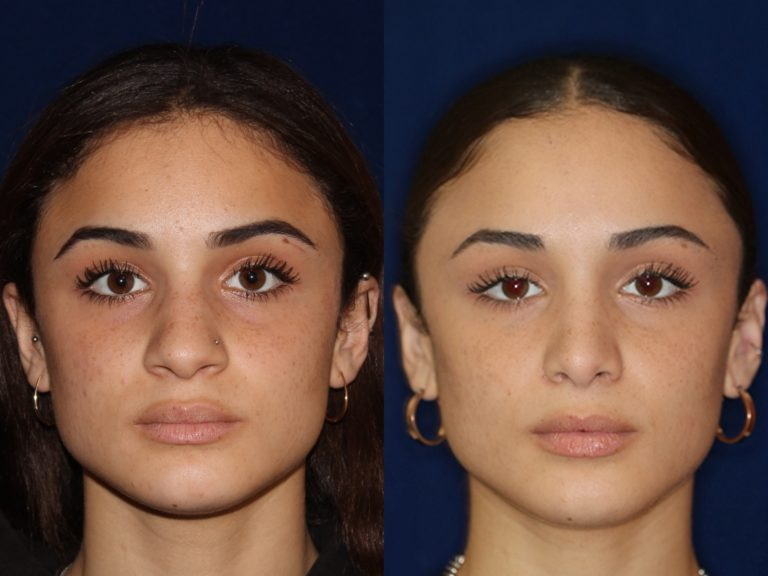
If you’ve got thicker skin, broad cartilage, or ethnic bone structure (Middle Eastern, African, South Asian):
• Focus on subtle refinement — not whitening/feminization• Tip grafts are mandatory• Goal = balanced masculinity, not euroclone cope
5. MATERIALS USED IN RHINOPLASTY
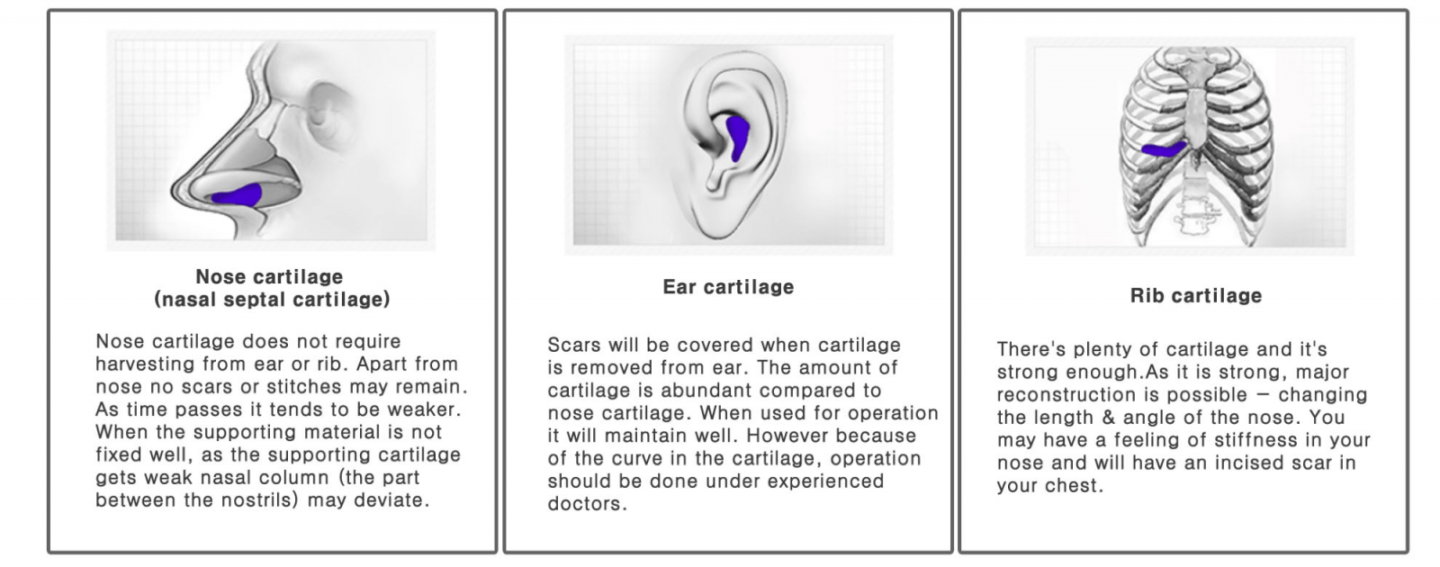
• Autologous grafts (your own cartilage — septum, ear, rib) • Synthetic implants (silicone, Gore-Tex) = mostly in augmentations, higher rejection risk
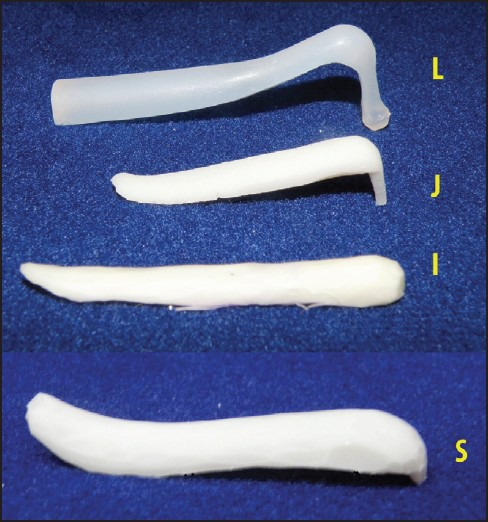
• Columellar struts + sutures = internal support for long-term shape stability
6. REVISION RHINOPLASTY
• Wait 12+ months before touching a failed rhino• Revisions are 2x harder, 2x the price• Scar tissue + destroyed cartilage = high skill threshold• Never let a “general plastic surgeon” attempt it — you want a dedicated nasal expert
7. NON-SURGICAL RHINOPLASTY
• Fillers like hyaluronic acid can camouflage minor asymmetries or dorsal humps
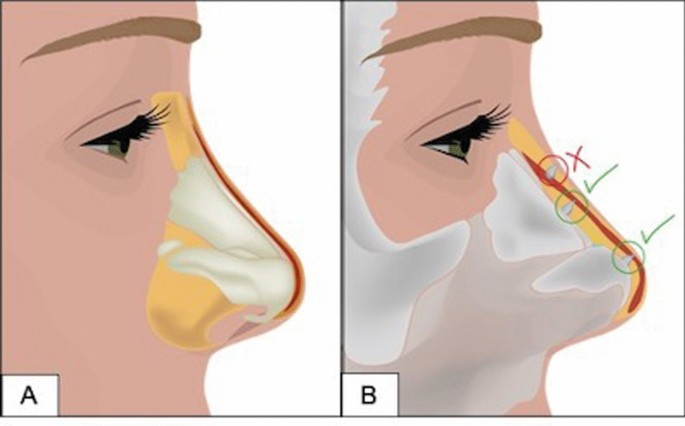
• Not good for tip or major reshaping• Temporary (6–12 months), carries risk of vascular occlusion → blindness if injected wrong• Quick fix, not a real fix
8. RECOVERY TIMELINE
• Days 1–7: Swollen, bruised, cast on• Week 2–3: Cast off, swelling reduces• 3 Months: 70–80% visible result• 12 Months: Final structure settles, tip defines
Don’t panic in week 1. It’s a long-term investment.
9. CHOOSING THE RIGHT SURGEON
• You want ENT or facial plastic surgeons, not general plastic surgeons• Must show uncensored before/afters (different angles, males, side profiles)• If they only advertise “natural” or “subtle” — red flag if your nose needs serious workTURKEY RHINOSYou can get a high quality primary rhinoplasty for $2500–$4500 if you vet properly.
Turkish Surgeons:• Dr. Celal Alioglu• Dr. Ercin Ozcan• Dr. Gürhan Ozcan• Dr. Emrah Aslan• Dr. Suleyman Tas (pricey, but top tier)
Still vet all of them. Look for: • Raw before/afters• Male-focused results• Open rhino experience• Good post-op follow-up careCOST ESTIMATE
• US Primary Rhino: $10,000–$18,000• Revision Rhino (US): $15,000–$30,000• Turkey / Korea: $2,500–$7,000
10. SHOULD YOU GET A RHINO?
✅ Yes, if:• Your nose ruins your side profile• It steals attention from your jaw/eyes• It disrupts facial harmony• You’ve got asymmetry, bulbous tip, or dorsal hump
❌ No, if:• You already have a proportionate nose• You’re chasing micro-adjustments with no foundational flaws• You’re not ready to commit to 6–12 months of healing